
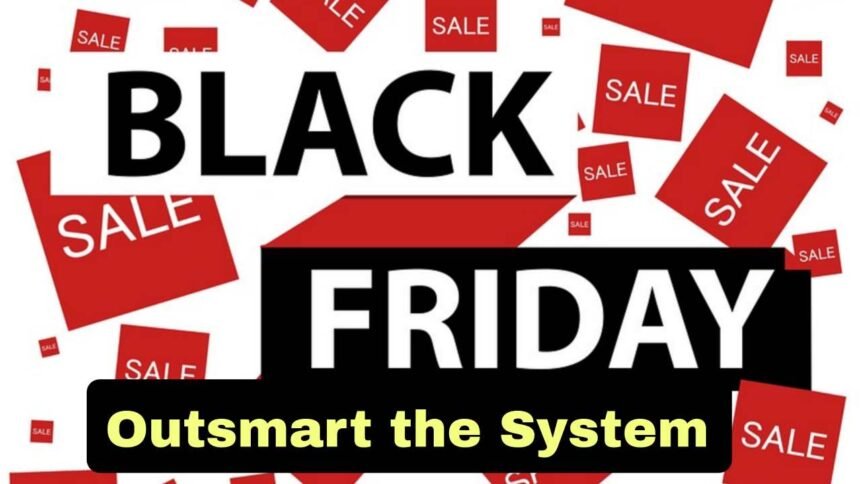
Black Friday 2025: When Shopping Feels More Like a Game of Algorithms
Forget doorbusters, this year’s Black Friday won’t just test your wallet, it’ll test your willpower.
Because in 2025, every scroll, every wishlist, and every hesitation is being recorded, analyzed, and priced by AI systems that already know what you’ll buy next.
Once, Black Friday was chaos in malls. Now, it’s code in the cloud, where algorithms compete harder than shoppers ever did.
Black Friday 2025 Date
Black Friday 2025 falls on November 28, the day after Thanksg, and Cyber Monday lands on December 1.
But don’t wait for the calendar.
AI-driven “early access” deals are already turning November into one long digital sale season.
Retailers like Amazon, Target, and Best Buy will quietly drop dynamic discounts weeks ahead, adjusting prices minute-by-minute based on demand and your browsing behavior.
The term Black Friday started in the 1950s to describe post-Thanksgiving traffic jams.
Today, that chaos lives online, invisible, silent, and data-driven.
Retailers no longer wait for crowds; they simulate them. AI models now analyze demand patterns, stock levels, and even emotional trends on social media to decide when prices drop.
Those “early access” alerts? They’re not luck. They’re algorithms triggered by your past clicks, searches, and credit-card timing.
Why You’re Seeing ‘Deals’ You Never Asked For
Think those limited-time offers follow you by coincidence?
Every retailer from Amazon to Target runs machine-learning systems that track your digital body language, how long you hover, what you abandon, what you re-check at night.
Even that “out of stock” message might be strategic, designed to build urgency before restocking at a slightly higher price.
In other words: Black Friday 2025 isn’t just about finding the best deals. It’s about understanding who’s really finding you.
The Hidden Cost of Smarter Shopping
The excitement of beating the system has flipped, now the system beats you.
When you chase personalized deals, you also feed more data into the same AI that predicts your next move.
Every purchase sharpens the algorithm’s aim for next year.
The result? Retail feels more addictive, less spontaneous, like a game where you’re both the player and the prize.
Can You Still Outsmart the System?
Experts say yes, but only if you slow down.
Clear your cookies, use incognito browsing, and track real price histories with tools like CamelCamelCamel or ShopSavvy.
Compare deals manually across platforms, don’t trust the “Only 3 left!” or “Flash sale ending soon!” banners designed by behavioral scientists.
Because the smartest shopper isn’t the one who buys fast, it’s the one who waits just long enough to win.
Why It Matters
In 2024, U.S. online Black Friday sales hit a record $9.8 billion.
2025 will likely surpass that, not because prices are lower, but because persuasion has become precision.
Black Friday isn’t dying; it’s evolving.
It’s no longer a day of discounts, it’s a test of digital self-control.
So this year, when your phone lights up with the perfect offer at the perfect moment, remember:
It’s not intuition. It’s an algorithm saying, “We’ve been expecting you.”
Also Read: Why ChatGPT Suddenly Needed Parental Controls.