
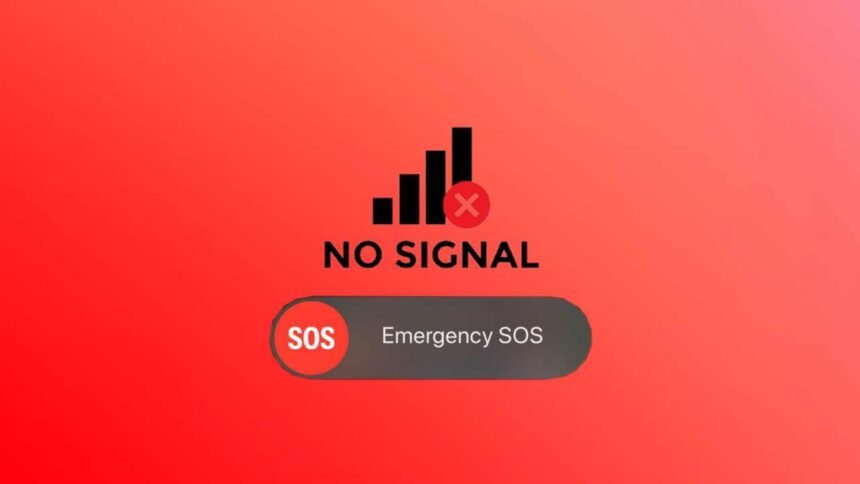
If you glanced at your phone this morning and saw “SOS mode” again, you’re not alone.
Verizon customers from Los Angeles to Houston spent their Friday wondering whether America’s most trusted carrier is quietly slipping into a pattern of network déjà vu.
Another Day, Another Drop
Just two weeks after the last major disruption, thousands of Verizon users once again flooded Downdetector with outage reports.
By 1:30 PM EST, the complaints crossed a thousand, a mix of “no signal,” “mobile internet down,” and “5G Home Internet not working.”
Most of the hotspots were in Southern California, including Santa Monica, Van Nuys, and Woodland Hills, but reports also came in from Texas and the East Coast.
The company acknowledged the issue, saying engineers were “working quickly to restore connectivity.”
But for many users, patience has run out. Social media is now full of frustrated posts from customers saying they’re ready to switch carriers.
What’s Really Going On?
Verizon hasn’t revealed the root cause yet, but network analysts suspect core routing or software synchronization failures between towers, problems that ripple faster as networks become more software-driven.
Add millions of connected 5G devices, and even a minor configuration error can knock thousands offline.
This isn’t new. As mobile networks evolve into cloud-based systems, they’re also becoming more fragile and dependent on automated management tools, which, ironically, can make recovery harder when automation fails.
The Hidden Cost of Always-On Connectivity
The outage might seem like a temporary glitch, but it exposes something deeper: our absolute dependence on constant signal.
From banking apps to ride-shares to two-factor logins, a network pause now feels like losing oxygen.
Even the SOS mode, a feature meant to provide emergency access, ends up symbolizing helplessness for millions of connected Americans.
Can It Happen Again?
Almost certainly.
Experts say these cascading 5G outages will likely continue until carriers harden their infrastructure with true redundancy, especially across the cloud-edge layer that manages smart towers.
Until then, your best backup might not be another carrier, but Wi-Fi Calling, which routes calls and texts over your home internet instead of cell towers.
Verizon’s latest blackout isn’t just a customer-service problem; it’s a stress test for the country’s next-gen network.
5G promised speed and reliability. For now, it’s delivering speed, the reliability still needs catching up.
Also Read: If You Ever Got a Cash App Text, You Might Get Paid Up to $147.