
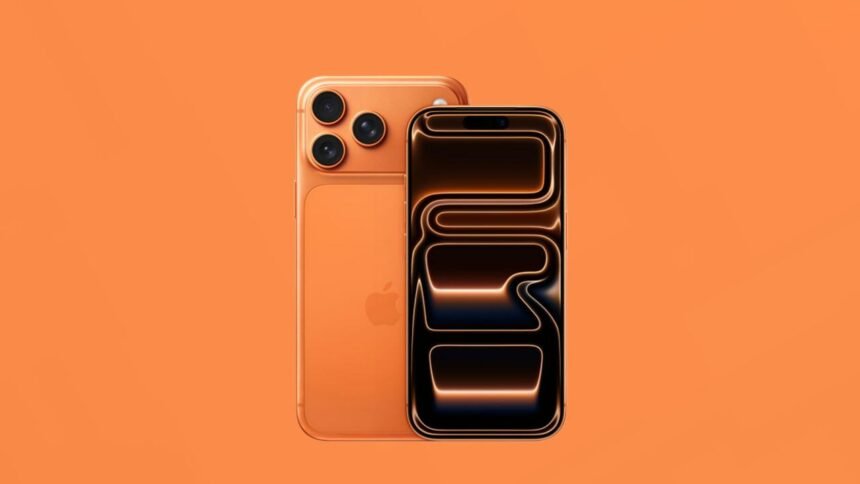
Every September, Apple takes the stage to announce its next big thing, faster chips, better cameras, new finishes.
But this year, something quietly changed. A new study suggests Apple’s biggest challenge may not be competition from Android — it’s from its own success.
A survey by Reviews.org found that the average American now keeps their smartphone for around two years and five months, and many stretch that beyond three years. Once a yearly upgrade habit, the iPhone has become a long-term companion.
The Upgrade Cycle That Slowed Down
In 2010, upgrading felt like a ritual. People lined up outside Apple Stores for a glimpse of the next iPhone.
In 2025, that excitement has evolved into patience.
The survey reveals that users are waiting longer not because they can’t afford new phones, but because they no longer need to. Even three-year-old iPhones handle the latest iOS updates, capture 4K video, and feel nearly identical in daily performance to new ones.
As one analyst put it, “Apple made phones so good, users forgot why they ever needed a new one.”
Also Read: AI Data Centers Are Booming — But Is Michael Dell Hinting at the Next Big Slowdown?.
The “Too Good” Paradox
Ironically, Apple’s greatest achievement, long-lasting quality, may now be limiting its growth.
The iPhone 17 Pro Max starts at $1,199, yet the average upgrade price among U.S. buyers is just $634. Consumers are spending less per cycle and waiting for deals or trade-ins.
Former Verizon CEO Hans Vestberg recently admitted, “Our customers now hold their phone way over 36 months, we remember when we changed every year. Those were exciting times.”
It’s not nostalgia. It’s economics.
The Rise of the Secondhand iPhone Economy
A new player in Apple’s ecosystem is growing fast: the refurbished market.
Certified pre-owned iPhones, often refurbished directly by Apple or trusted resellers, now dominate online deals. For many buyers, a one-year-old flagship feels brand-new, just a few hundred dollars cheaper.
According to Consumer Reports, a well-refurbished phone “can be basically indistinguishable from a new one.”
That statement alone explains why the used iPhone economy is becoming Apple’s silent competitor.
Why Apple Should Be Paying Attention
Apple has built an ecosystem designed to keep users loyal, not just with hardware, but with services like iCloud, Music, and TV+.
That strategy works, but hardware sales still drive headlines and investor confidence.
Now, with customers upgrading less frequently, Apple faces a different kind of innovation test:
How do you convince people to buy something new when the one they already own still feels perfect?
The answer may lie in new experiences, not new specs. If iPhones are lasting longer, Apple’s next growth wave might come from AI-driven personalization, ecosystem connectivity, and sustainability, the features that turn loyalty into longevity.
The iPhone 17 and iPhone Air may be Apple’s most advanced phones yet, but the real story isn’t about what’s new.
It’s about how long people are holding on.
Apple wanted to make products that last.
It succeeded — maybe too well.
Also Read: Apple’s Next Big Slip? M5 iPad Pro Spotted Early — But Was It Really an Accident?.