
Sora 3 — The Next Leap After Reality
OpenAI’s Sora 2 feels like the GPT-3.5 moment for video, a model that suddenly made AI-generated footage look not just plausible, but physically grounded and emotionally expressive. It introduced synchronized dialogue, cinematic motion, and the now-viral “cameos” feature, which lets users drop their verified likeness and voice directly into any generated scene. Combined with an invite-only iOS app rollout in the U.S. and Canada, Sora 2 marked OpenAI’s shift from pure research to a full social-creative platform.
That shift matters because it signals a future where generative AI stops being just a prompt box and becomes a co-creation environment. The obvious question now is: what comes next? What could Sora 3 add that would take video AI from “impressive” to “indistinguishable from production-grade reality”?
From Short Clips to Real Stories
The biggest leap many expect from Sora 3 is duration and narrative depth. Sora 2 already handles smooth physics and continuity across brief multi-shot clips. Sora 3 could extend that to minute-long or even multi-scene sequences where characters, lighting, and camera movement stay consistent, the foundation of real storytelling. Instead of a single prompt per clip, creators might soon work on a continuous timeline that carries world-state memory from one act to another, allowing for genuine cinematic arcs generated entirely through AI.
Also Read: Is ChatGPT 7 Really Free? Here’s What OpenAI Actually Offers for Free in 2025.
Smarter Editing and Professional Control
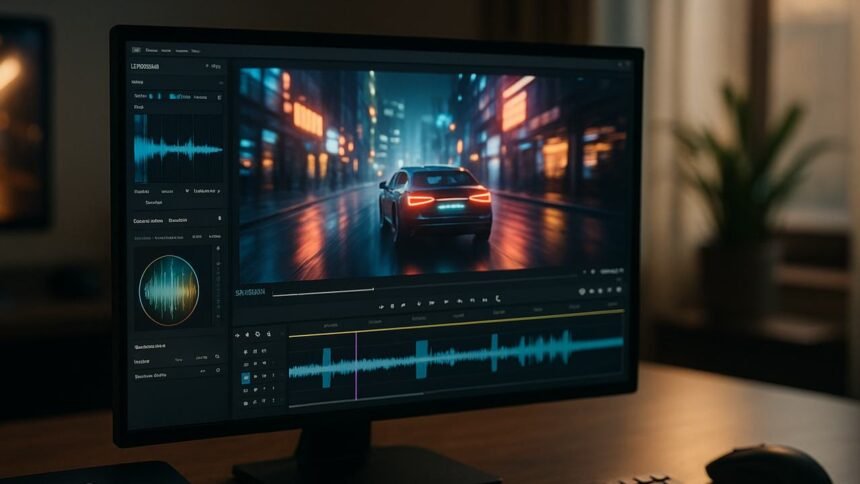
One of the pain points in Sora 2 is that even small tweaks often require regenerating an entire video. If Sora 3 can fix this, it would instantly cross a professional threshold. Partial regeneration, the ability to edit or reshoot just a few seconds while locking the rest of the scene, would save enormous time and computing resources. Expect the model to introduce a visual interface that feels closer to a storyboard or editing timeline, where prompts, camera angles, lighting cues, and motion paths can all be refined without breaking continuity.
Sora 3 may also expand into pro-level control: adjustable lenses, realistic handheld motion, and export options with depth or color-grading data that can integrate into tools like Unreal Engine or Blender. In short, it may not just create video, it could create usable footage.
Sora 3: A Smarter World Model
The leap from Sora 1 to Sora 2 was about physics. The next may be about intelligence. Sora 3 could bring improved modeling of liquids, fabrics, crowds, and reflections, the subtle cues that make a scene believable. Where Sora 2 obeyed basic physics, its successor could simulate behavior: maintaining eyelines between characters, realistic object interactions, and continuity of props or shadows between shots. In other words, Sora 3 may not just visualize motion; it may understand scenes.
Also Read: Searching for “ChatGPT 6-Month Free Plan”? Here’s What’s Actually Going On.
Rights, Consent, and a Safer Ecosystem
OpenAI has already faced early challenges with likeness and copyright in Sora 2, particularly as “cameos” blur the line between fun and misuse. With Sora 3, we can expect stronger guardrails, refined consent systems, temporary cameo permissions, faster takedowns, and more transparent provenance data embedded in every frame. Instead of reactive moderation, OpenAI may shift toward real-time rights management where every likeness or brand element is tracked through the creative pipeline. This could make Sora the most ethically controlled AI-video system on the market, an essential step before mass expansion.
Collaboration Over Consumption
OpenAI has been clear that Sora’s goal isn’t endless scrolling but collaborative creation. Sora 3 could lean further into that philosophy, with co-editing tools, shared projects, and a visible credit map that attributes each creative contribution. Imagine remixing another creator’s Sora video while keeping a full record of who generated what. This type of transparent collaboration could evolve into a new creative economy, where AI video becomes both social and accountable.
Why Sora 3 Will Focus on Refinement, Not Scale
While speculation often leans toward “bigger and longer,” OpenAI’s approach suggests otherwise. Sora 3 will likely prioritize smarter, safer, and more controllable generation over raw length or cinematic spectacle. The team’s public statements emphasize wellbeing, responsible feeds, and creator empowerment, not passive engagement. Expect Sora 3 to refine editing tools, world logic, and rights safety before it ventures into 10-minute film territory.
Signals to Watch
If OpenAI begins testing partial regeneration, advanced export formats (like depth maps or LUT files), or new dashboard tools for cameo permissions, that may hint that Sora 3 is already in training. Expanded rollouts beyond North America or partnerships with educational institutions could also signal a broader creator-focused vision.
Sora 2 transformed AI video from a novelty into a working creative platform. Sora 3 could be the moment it becomes practical, editable, collaborative, and rights-aware. If OpenAI’s next step truly bridges cinematic control with ethical safeguards, it won’t just redefine content creation. It could redefine what we call reality on screen.
Disclaimer:
This article is a speculative analysis based on OpenAI’s publicly available Sora 2 information and early coverage. Sora 3 features or timelines have not been confirmed by OpenAI.
Also Read: ChatGPT 6 Release Date – What We Know So Far.