

At just 20, Naman Pushp is rethinking how the world moves small packages. His startup, Airbound, isn’t building typical drones, it’s creating rocket-like, ultra-light aircraft capable of making one-cent deliveries. With $8.65 million in fresh seed funding and a pilot program with a major Bengaluru hospital, Airbound’s vision is taking off faster than most startups even dream.
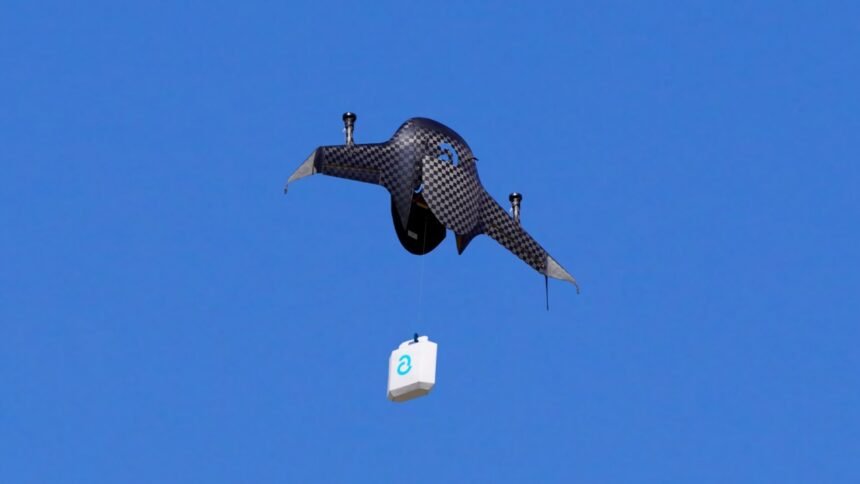
The company’s drone doesn’t resemble the familiar quadcopters that hum over cities. Instead, it uses a blended-wing, tail-sitter design that takes off vertically like a rocket and glides like a plane. The result? Massive energy efficiency and a radical drop in delivery costs, potentially 20 times cheaper than India’s two-wheeler-based logistics model.
In a country where last-mile delivery defines the economics of e-commerce and healthcare logistics, Airbound’s innovation could reset the baseline. India’s electric two-wheelers, which weigh around 150 kilograms to deliver a 3-kilogram parcel, spend roughly ₹2 per kilometer in energy. Airbound’s drones cut that cost down to 10 paise, by removing the human driver and slashing total weight.
“It’s a physics problem,” Pushp often says. “The lighter and more efficient you are, the faster you win.”
Also Read: Broadcom’s New AI Chip Takes Aim at Nvidia.
A Rocket for Everyday Deliveries
Airbound’s first prototype, weighing just over 3 pounds and carrying a 2-pound payload, has already shown promise. The second generation, currently in development, will double its lifting power while weighing even less. The aircraft’s carbon fiber body and aerodynamic shape give it an edge over any commercial drone in India’s skies.
Unlike traditional designs that lose efficiency due to multiple propellers, Airbound’s model optimizes airflow and lift-to-drag ratio. This allows for longer flight ranges, reduced battery consumption, and lower maintenance costs, all of which are crucial for scaling daily operations to a million deliveries a day by 2027.
The Road (or Sky) Ahead
Airbound has begun real-world testing through a pilot program with Narayana Health, transporting critical medical samples and reports. If successful, it could lead to adoption in emergency logistics, quick commerce, and even food delivery.
For a country balancing affordability, speed, and sustainability, Airbound’s approach doesn’t just promise cheaper deliveries, it offers a glimpse into a new class of autonomous logistics where efficiency is measured not in miles per liter, but in paise per gram.
As Airbound scales its production in Bengaluru, one thing is clear — the next revolution in logistics might not come from the road, but from the sky.
Also Read: Instagram Just Went PG-13 — Inside Meta’s Biggest Shift to Protect Teen Users.