
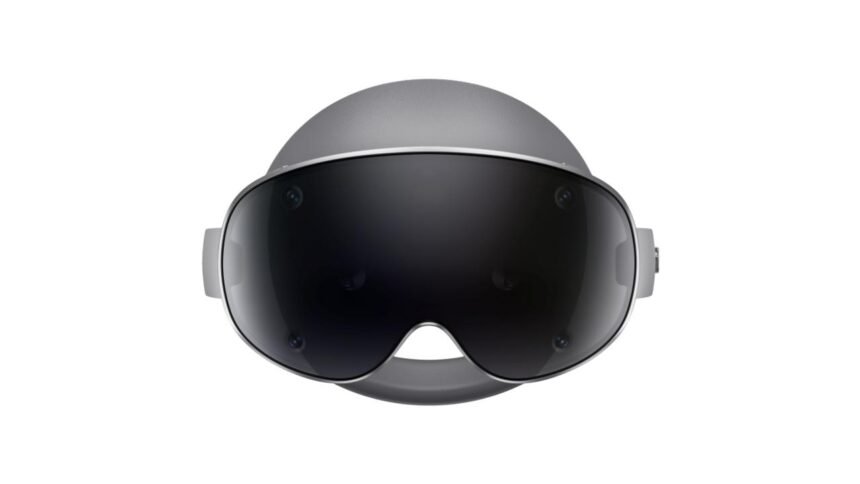
Samsung Electronics has officially announced the Galaxy XR, a next-generation headset built on the new Android XR platform, developed in collaboration with Google and Qualcomm Technologies.
The device marks Samsung’s entry into a new product category — AI-native extended reality — designed to merge artificial intelligence, spatial computing, and immersive multimedia into one connected platform.
Built for the Android XR Era
Galaxy XR is the first commercial product running on Android XR, Google’s new operating system for extended reality devices.
It integrates Gemini, Google’s multimodal AI system, allowing the headset to understand and interact through voice, vision, and gesture.
Samsung says Galaxy XR “sees what users see” and delivers responses that feel natural, contextual, and human-like.
Hardware and Display
Powered by Qualcomm’s Snapdragon XR2+ Gen 2 chip, the headset includes 16GB of RAM, 256GB storage, and a 4K Micro-OLED display with over 27 million pixels.
It offers up to 90Hz refresh rate, a 109° field of view, and a detachable battery pack providing 2.5 hours of continuous use.
Galaxy XR also supports Dolby Atmos audio, six microphones, and multiple tracking cameras for precise hand, eye, and head movement.
Software and Compatibility
Built on OpenXR standards, Galaxy XR supports developers using Unity, WebXR, and other Android development tools.
Most Android apps will work natively, extending familiar experiences like YouTube, Google Maps 3D, Google Photos, and Circle to Search into immersive 3D environments.
Samsung Galaxy Xr Headset Design and Comfort
Weighing 545g, the headset features a balanced frame, detachable light shield, and ergonomic fit for long-duration comfort.
A separate power pack reduces front weight, making the device lighter to wear during extended sessions.
Samsung Galaxy Xr Headset Launch and Availability
The Galaxy XR will be available starting October 21 in the U.S. and October 22 in Korea.
Samsung confirmed that more devices — including AI glasses — will follow as part of its long-term extended reality roadmap.
(Source: Samsung Newsroom / Samsung Mobile Press)
Also Read: You Might Be Owed Money from Cash App — Here’s Who Qualifies for the $147 Payout.