
When Elon Musk promised a million robotaxis on the road by 2020, it sounded bold. Five years later, the rides are finally here, but there’s still someone quietly sitting in the driver’s seat.
Tesla’s new Robotaxi service has started picking up passengers in select U.S. cities, offering ultra-cheap fares and self-driving excitement. But here’s the catch: a human “safety monitor” still rides up front. It’s the same old Tesla you’ve seen before, just with a new label.
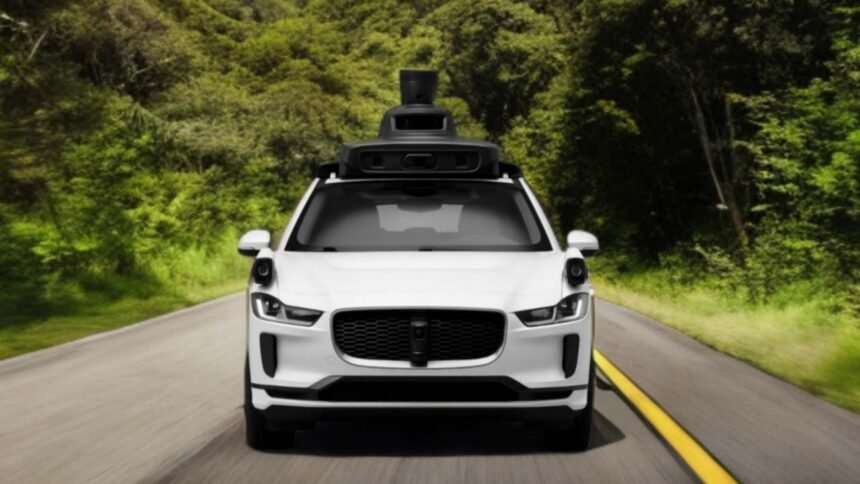
Meanwhile, Waymo, Google’s self-driving car spin-off, is doing something far less dramatic, and far more real. Its rides in San Francisco, Austin, and Phoenix are completely driverless. No one up front. No steering corrections. No awkward small talk. Just silence, sensors, and software.
Tesla wins headlines with $2 rides. Waymo wins trust by quietly getting regulators on board.
The experience gap is striking: Waymo rides feel almost boring, yet that uneventful calm is exactly what makes them revolutionary. Tesla’s version still feels like a supervised beta test, while Waymo has become a smooth, invisible part of city life.
The battle for autonomy isn’t about price tags or flashy demos anymore. It’s about who can make self-driving feel normal. And right now, Waymo’s boring might just be Tesla’s biggest problem.
Also Read: Fake ‘Sora’ Apps Are Tricking iPhone Users — Here’s How to Spot the Real One.