

When the Network Went Silent
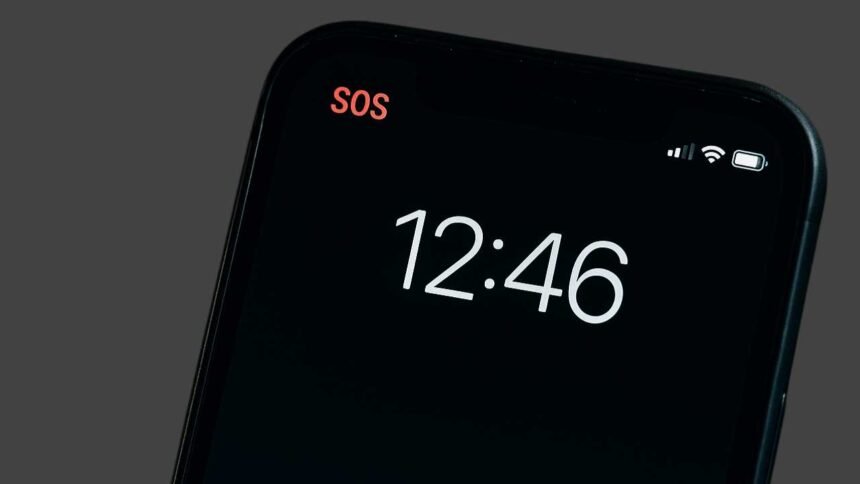
For thousands of Americans, October 8 started with silence — no calls, no messages, and phones flashing a single phrase: “SOS mode.”
Shortly after midnight Eastern Time, Verizon, one of the nation’s largest wireless carriers, experienced a major outage that left users across multiple states without service.
Social media quickly filled with confusion, screenshots, and frustration as users from New York, Chicago, and Atlanta realized they couldn’t even make emergency calls.
Inside the Blackout
According to outage tracker DownDetector, user complaints spiked sharply at 12:41 a.m. ET, marking one of Verizon’s largest reported disruptions this year.
Customers reported dropped calls, failed texts, and data loss, with devices stuck on emergency-only mode.
Verizon later confirmed it was “aware of issues impacting service” and that engineers were investigating the cause.
The company hasn’t released an official explanation yet, but early signs point to a network routing or software configuration failure, the kind that can cascade across towers in minutes.
What “SOS Mode” Actually Means
“SOS mode” doesn’t mean your phone is broken, it’s a built-in safety feature.
When your device loses connection to its home network, it automatically switches to any available tower that allows emergency calls only.
In short: your phone isn’t off the grid entirely, it’s just stuck in emergency-only mode until your carrier reconnects.
Still, the image of hundreds of iPhones showing the same red “SOS” signal created a rare moment of digital anxiety across the country.
More Than Just a Glitch
Outages like this highlight how fragile modern connectivity has become.
With so much of daily life from navigation to healthcare apps, depending on mobile networks, even a few hours offline can feel like a national event.
And in an era where 5G promises constant connectivity, users are less forgiving when the grid fails.
Tech experts say that as networks grow smarter and more software-dependent, glitches can ripple faster than ever before, making redundancy and quick patching critical.
Could It Happen Again?
Probably.
Telecom companies have multiple fail-safes, but no system is bulletproof.
Power surges, firmware bugs, DNS errors, or even cyber intrusions can disrupt key nodes and trigger regional or nationwide slowdowns.
Verizon’s outage comes months after AT&T and T-Mobile faced similar, though shorter, disruptions, suggesting that America’s communication backbone is showing its growing pains.
As Verizon restores its network and investigates the cause, one thing is clear: connectivity is now a lifeline, not a luxury.
When that link breaks, even for a night, it reminds us how dependent we’ve become on the invisible threads that keep our digital world running.
The outage may be over, but the questions about digital dependence are just beginning.
Also Read: Why Everyone’s Talking About AI Deepfakes Again — And How Real Is Too Real?.