
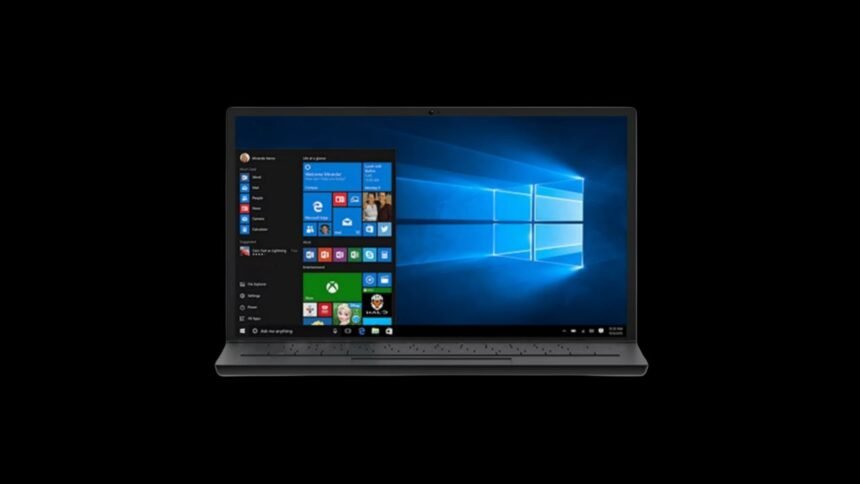
Windows 10 End Of Support Explained
Microsoft has officially confirmed the end of free support for Windows 10, marking the close of one of the most widely used operating systems in history. But the story isn’t just about updates, it’s about what happens when the world’s workhorse OS quietly goes dark.
As of October 14, 2025, Windows 10 will stop receiving free security patches and feature fixes. For millions who never upgraded to Windows 11, their PCs will still boot up the next day, but they’ll be running on borrowed time.
Millions Still Rely on Windows 10
Even four years after Windows 11’s launch, more than 40 percent of global Windows users still depend on Windows 10 for work, study, and business. Many of these machines run perfectly well but don’t meet Windows 11’s strict hardware requirements, especially its TPM 2.0 chip, which secures modern systems against tampering.
That means an enormous number of households, schools, and small businesses now face a choice: upgrade, switch, or risk exposure.
The Hidden Cost of Staying Behind
Once Microsoft stops patching vulnerabilities, hackers start looking for open doors. Unsupported systems become soft targets for ransomware, data theft, and scams. It’s the digital equivalent of living in a house with a broken lock, it may still stand, but it’s no longer safe.
Microsoft is offering a one-year Extended Security Update (ESU) plan, free for users signed in with a Microsoft Account, and $30 otherwise, buying time until October 2026. But that’s just a temporary shield.
Also Read: Google’s $10 Billion Bet on India’s AI Future — Why Andhra Pradesh Is at the Center of It.
Why Upgrading Isn’t as Simple as “Buy a New PC”
Windows 11 promises stronger security and sleeker performance, but for millions, upgrading isn’t free in practice. Older processors, missing TPM 2.0 chips, or tight budgets make new hardware unrealistic.
That’s where alternative OS choices enter the picture. Lightweight, open-source systems like Linux (Ubuntu) or ChromeOS Flex can breathe new life into aging computers. They’re free, secure, and designed for modern online tasks, though they can’t replace every Windows-only app.
For many, it’s not just about convenience — it’s about keeping technology sustainable.
Also Read: Why Amazon Is Quietly Firing Employees — And What’s Really Behind It.
A Turning Point for Everyday Computing
The Windows 10 sunset highlights a bigger shift in tech: the lifecycle of software is now shorter than the lifespan of hardware.
As AI-powered systems, cloud integration, and chip-level security become the new norm, companies are moving faster than consumers can keep up.
What Microsoft does next — and how users adapt — will define the next decade of personal computing.
For now, the message is clear: Windows 10 isn’t dying overnight, but the countdown has begun.
Also Read: How Goldman Sachs Plans to Reshape Venture Capital.