
When a brand known for smartphones starts building cars, expectations skyrocket, but so do the risks.
This week, Xiaomi’s dream of becoming a global EV powerhouse met a harsh reality. A fiery crash in Chengdu claimed one life, and disturbing videos showing bystanders unable to open the doors of a burning SU7 sedan went viral across Chinese social media.
The company’s stock fell nearly 9%, its steepest drop since April, as regulators and investors began asking a difficult question: is AI-driven automation making cars smarter, or simply more dangerous when things go wrong?
The Tech Behind the Tragedy
According to police, the 31-year-old driver was suspected of being under the influence, but the story didn’t end there. What caught public attention was the car’s electronic door handle system, which reportedly failed to open after the crash.
Once a futuristic design symbol popularized by Tesla, these flush handles rely on sensors and power systems that may malfunction in extreme conditions, like fire or collision.
Chinese authorities are now weighing a ban on such systems, calling them “a potential risk in emergencies.” The U.S. is already investigating similar issues in Tesla’s Model Y lineup.
Also Read: Why Qualcomm’s Quiet Deal in Israel Just Triggered China’s Antitrust Alarm.
A Setback for Xiaomi’s EV Ambitions
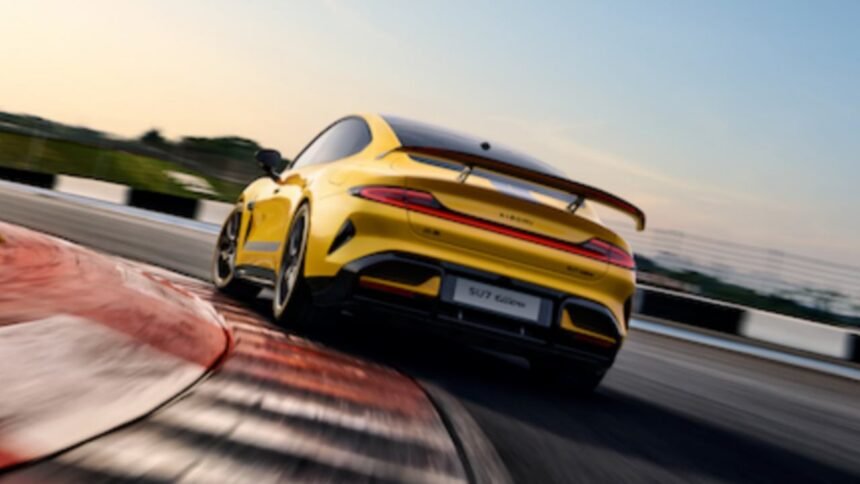
For Xiaomi, this couldn’t have come at a worse time. The company’s flagship SU7 was meant to showcase its leap from consumer gadgets to intelligent mobility. Instead, it’s now under scrutiny for the very “smart” features that defined its brand promise.
Analysts note that this incident may delay public trust in Xiaomi’s AI-driven vehicles, even as China pushes aggressively to lead the global EV revolution.
Also Read: From Bitcoin to GPUs — How Galaxy Digital’s $460 Million Pivot Shows Where the Future Is Headed.
Why This Story Resonates Globally
From California to Shanghai, every automaker building “smart” cars is walking the same tightrope, balancing innovation with accountability.
As one industry analyst put it, “AI may make cars drive better, but humans still need to feel safe getting inside them.”
For Xiaomi, the question is no longer about performance, it’s about perception. And that could determine whether its EV journey accelerates or hits the brakes.
Also Read: Europe Just Took Back Control of Its Chips — Is This the Start of Tech Nationalism?.